- en
Mayor Estrosi explains the relationship between Nice and Britain
Following the death of Prince Philip, the mayor of Nice Christian Estrosi wrote a short article on historic and cultural links between Nice and Great Britain.
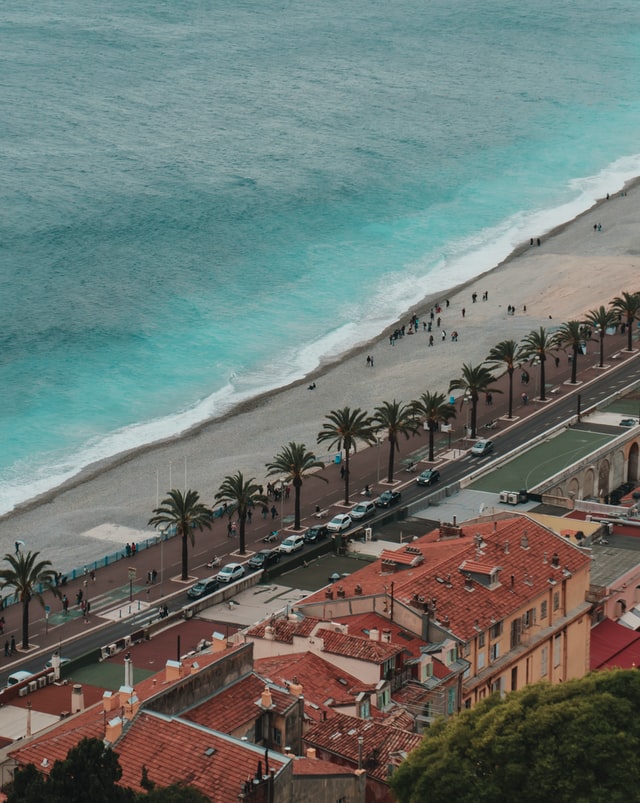
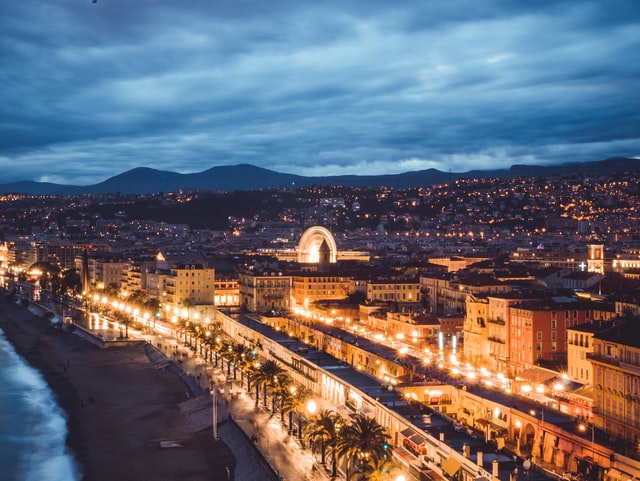
He wrote the following, as reported by Thelocal.fr: The idea may seem strange, as Nice is usually associated with the Latin and Mediterranean landscape, the sun and the blue sky. On a closer inspection though, another cliché emerges, one that associates Nice’s most beautiful artery, La Promenade des Anglais, with the memory of the ‘English’.However, the huge sadness that seized the people of Nice at the news of the passing of Prince Philip, Duke of Edinburgh, husband of Queen Elizabeth II, could not be explained if there had not been much more.
Between Nice and the British Isles as a whole – ie Nice and the English, Scots, Welsh, Irish, even Nice and the former British Empire, including Indians, South and East Africans, Asians and the Pacific islanders – there is a very unique and centuries-long relationship.
It is unique as Nice has only been part of France since 1860, and therefore has not experienced the love-hate tradition that used to separate the French and the British for centuries.
Joan of Arc and the Hundred Years’ War, Crécy, Azincourt, Poitiers, the wars of the 17th and 18th centuries, the battle of Fontenoy, “Gentlemen, the English, shoot first”, the “few acres of snow” so little regretted by Voltaire, and even Waterloo, all of these are alien to the history of Nice.
Rather, by becoming part of the House of Savoy in the 14th century, Nice entered a centuries-long era of political, military, and diplomatic anglophilia, which left little room for antagonism with the UK.
It may seem strange today to put it this way: by virtue of the old principle that “the enemies of my enemies are my friends”, the Dukes of Savoy and the Kings of England were historic allies, as evidenced by some London sites, including the famous Savoy palace!
And then there was “the Grand Tour”, this social custom invented by the British aristocrats which led them across Europe to necessarily end, after an initiatory journey of several years, on the shores of the Mediterranean, the sea of all civilisations.
It is after this “Grand Tour” that the word and concept of tourism was named, and it is to the “Grand Tour” that the first long winter stays in the 1760s for the British elite in Nice refer.
Photo Valery Hache/AFP