City Pilots: Are We Solving Challenges or Is It Just an Innovation Show
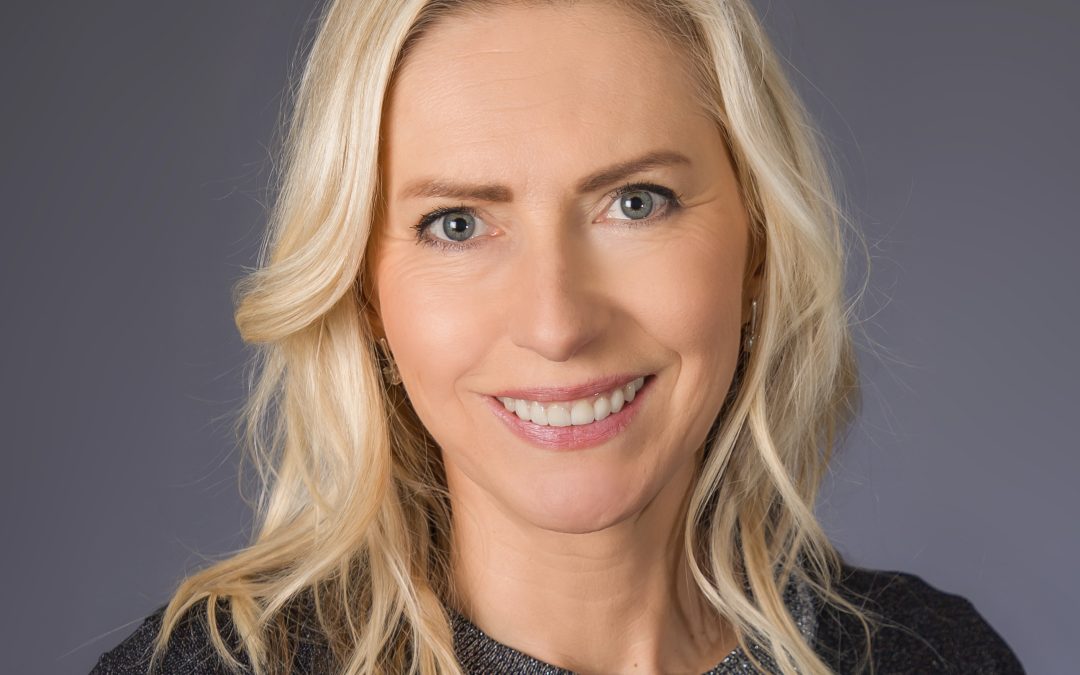
by Margot Roose, Founder of Urban Exchange Alliance, ex-Deputy Mayor of Tallinn
I have sat in pilot evaluation committee meetings more times than I can count. A few times as the one pitching, long time ago. Many more as the one in the comfortable leather chair, leading the committee and lifting the red or green flag. I remember the nervous energy of pitching – the feeling that everything is possible, that this idea could actually change something. I felt that same excitement listening to startups explain their city innovations from the other side of the table. And I also remember the quiet sadness of watching pilots disappear, with only a fraction ever reaching the procurement phase.
Now I have stepped away from both roles and I am trying to build bridges between the two worlds. From here, I can see the gap more clearly than ever.
And here is my message to the cities: You are sometimes the problem.
The Body Language of Innovation Meetings
I can clearly picture this scene. City officials leaning back in their leather chairs and the startup founders sitting forward on the edge of theirs. They are prepared, nervous and generally just grateful to be in the room. Even if the chairs are identical, the body language gives away the difference in status. Startups are the poor relatives at a family dinner. Generously welcomed, but not quite equal.
I have sat in that city chair, and I must admit that it is more comfortable. Mainly because you have nothing to lose. And it is the easiest place to hand out hope to people you will never have to face again, when they leave with nothing but a pat on the back.
The Innovation Show
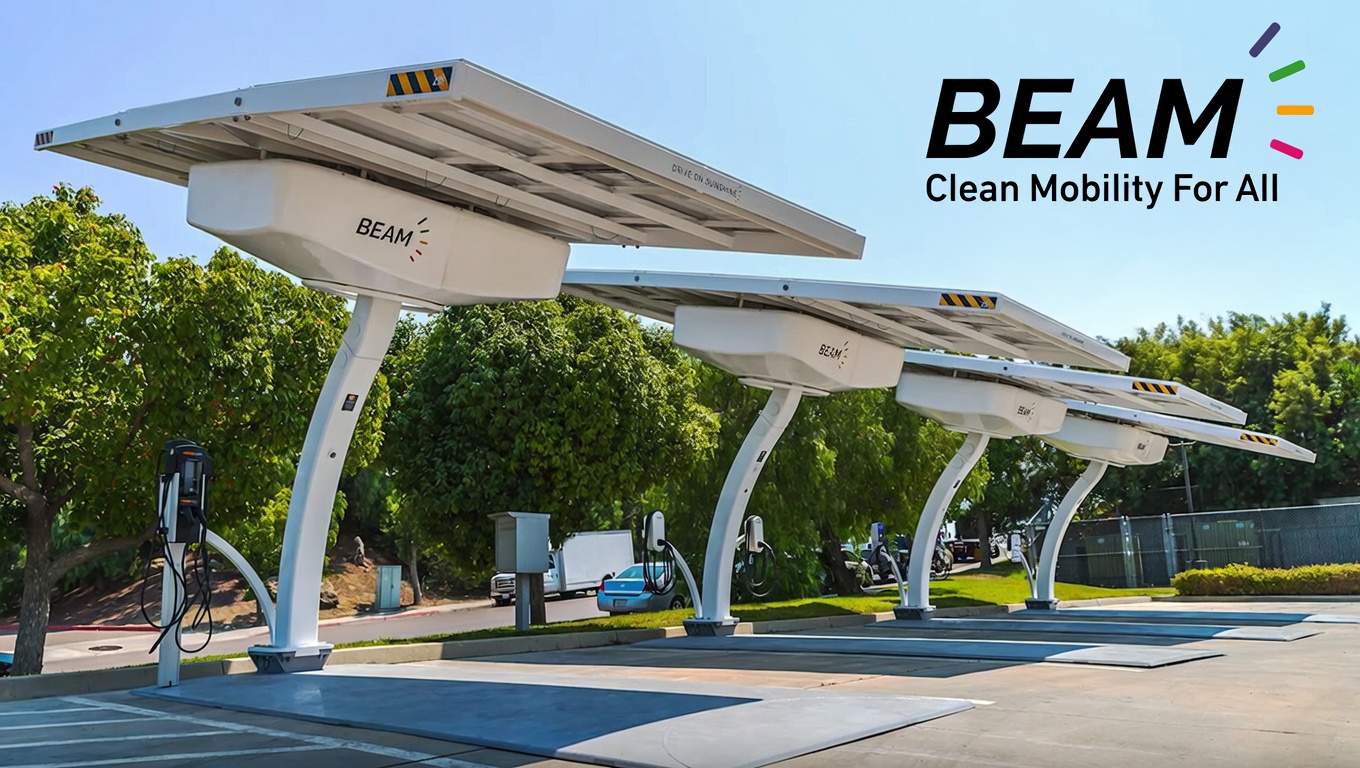
All cities want to be smart and hosting innovation summits, opening sandboxes and living labs are part of that game. For a founder, a city pilot feels like a foot in the door. For a city official, it could be a convenient way to look innovative without actually committing to change. I see this play out in cities globally. We take pictures next to autonomous vehicles, intelligent garbage containers and drone flying demos to signal that we are part of the solution. But then the grant money runs out, an autonomous bus disappears and the intelligent garbage cans end up as expensive street furniture. Most pilots just end with unclear conclusions.
I call this the innovation show, a performance that’s designed to signal progress to voters, win smart city awards, and tick a box in the city strategy document. The startup that spent months running between city departments, filling in forms, and getting no answers, is paying the real cost of that performance. Some pilots do deliver for both sides. But far too many companies leave with a bad aftertaste and a decision to never go near a city pilot again. I know, even though they never said it to my face.
The Most Dangerous Phrase in the Municipal Vocabulary
The most dangerous phrase you can say to an innovator is not “No.” It can be “Let’s pilot.”
A pilot must be equally valued by both sides and too often it is not. It is okay if there is no financial commitment from the city, but then it needs to be a commitment to the evidence. There is a reason people say that what comes for free is not valued. A free pilot for a city can easily become a slow drain on everyone’s resources and for a startup it can mean cutting their precious runway dangerously short.
Before launching any piloting programme, you need to be able to answer some important questions. Who owns the data that is generated? How does the solution integrate with city’s legacy systems? What are the specific metrics that will define success and which of those will actually trigger a move to procurement? Are the real decision-makers in the room, or is this living in the middle tier? Will the pilot get the media attention it deserves?
If you cannot answer these before the first sensor is installed, the pilot shouldn’t start. All parties deserve to know the full plan and have clarity on where this trial is going.
A city that allocates no budget must provide something of real equivalent value: access, data, political cover, and by the end – a verified case study the company can take to their next investor or the next city. A mere thank you letter is not a deliverable and leaves all parties with the feeling that an honest no would have been better at the start.
The Risk Paradox
I totally understand why city officials are careful, any problem with service delivery or even a borderline of touching privacy regulation, is front-page news and a potential scandal. If a startup fails, nobody raises an eyebrow as it’s generally known that startups live a risky life. So, the chances taken are of different amplitude.
But innovation cannot be born and tested in a real city environment totally risk free. There are ways to manage it and still commit to a real outcome. You need to set up the pilot precisely so that it is possible to decide whether it was a success or not, and what the road forward is. The worst is when a project stays in “a maybe land”.
What Real Partnership Looks Like
In Tallinn, we developed Test in Tallinn as a global initiative designed to turn the city into a living lab. By providing a structured path for startups to test their products in a real urban environment, the narrative shifted from high-risk piloting to collaborative experimentation. The initiative has attracted over 40 companies from all over the world to bring their solutions for trial. It is a clear deal, the city provides access, data, and political support, and the company brings a solution to test against real urban conditions. Both sides end up with evidence: proof the city can use to justify procurement and the company can use to grow.
It is a good model. And still, less than 10% of those solutions end up being used by the city long term. That number should make us all uncomfortable.
Cities are on the frontlines – pressured by EU regulations and endlessly rising citizen expectations. Cities are also becoming more powerful, richer, larger, and increasingly obsessed with proving they are the happiest, safest, greenest, or whatever-the-rankings-say best city in the world. Over 70% of EU policies are ultimately implemented at city level. The challenges are not getting smaller: climate change, mobility, inequality, aging populations, housing shortages, and all the new complexity brought by AI. None of it can be solved from inside City Hall alone.
So I encourage all cities to open up for real piloting, not the performance kind, but the kind with a clear deal, a real decision at the end, and respect on both sides of the table.
The next time a founder sits down across from you, think about the posture in the room. If they are behaving like a beggar, asking for nothing more than a chance, something is already wrong. They are not there to entertain you. They are potentially offering a solution to a problem you cannot solve on your own. Adjust your posture and lean forward. Give them a real chance to be an equal partner.
Working with a city is not a sprint, it is a marathon through a minefield of bureaucracy. Everyone knows that. But with both sides holding realistic expectations, there could be a parade of needed solutions walking through the gates of City Hall. The question is whether you are ready to welcome them as partners, not poor relatives.

https://urbanexchange.org/