Taking Innovation Further: Stockholm’s Digital Sandbox Turns Collaboration into Action
For years, Stockholm has demonstrated that meaningful urban innovation begins with collaboration. With the launch of the Digital Sandbox, the city is taking that philosophy one step further, creating a trusted environment where government, academia and industry can transform emerging technologies into solutions that deliver real public value.
For Karin Ekdahl Wästberg, Director of Innovation at the City of Stockholm, the initiative is not a departure from the city’s innovation strategy but its natural progression. Having long championed the Triple Helix model, she sees the Digital Sandbox as the next step in turning collaboration into implementation.
“The Triple Helix model has shown us that the best solutions emerge when the public sector, academia, and industry work together around real societal challenges. The Stockholm Digital Sandbox is an opportunity to take that collaboration from dialogue to action,” she explains.

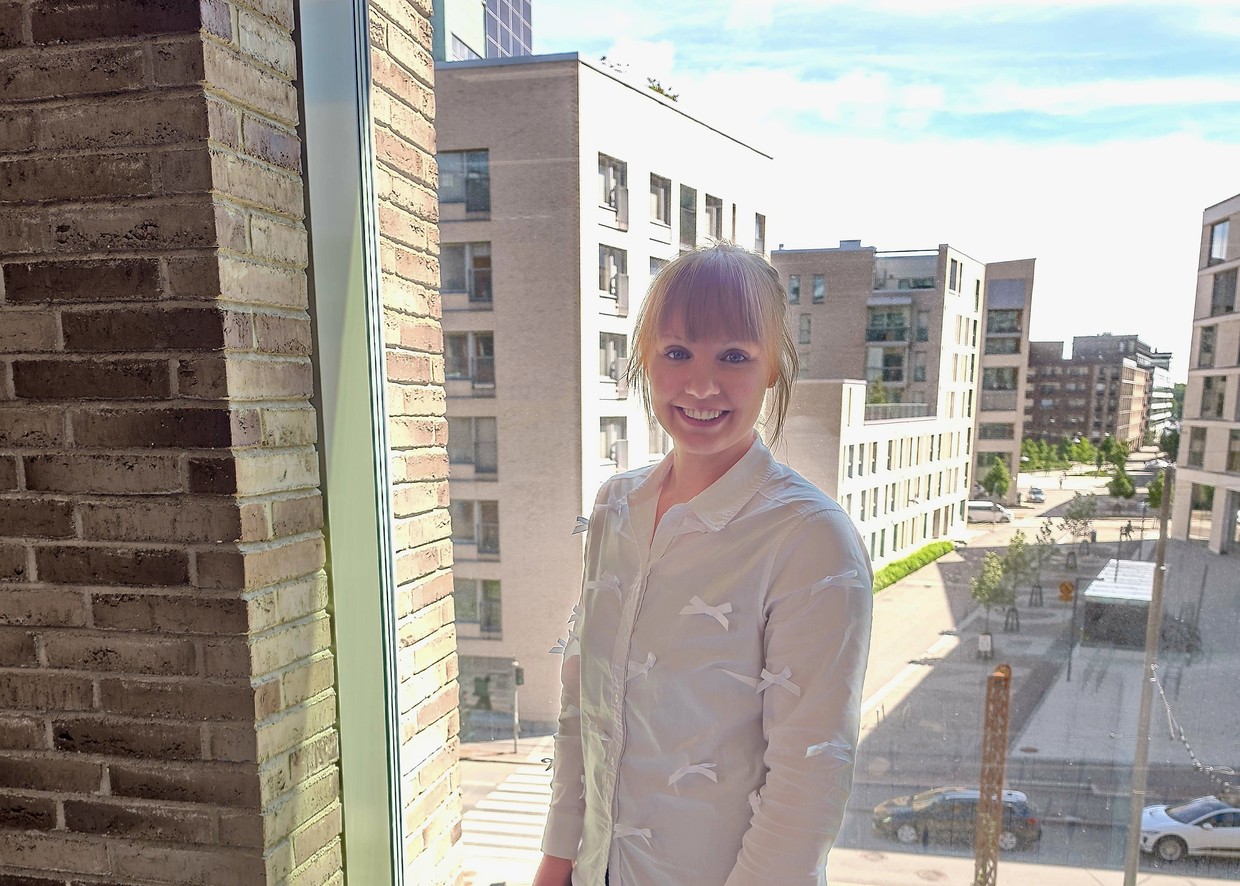
Karin Ekdahl Wästberg, Director of Innovation for the City of Stockholm, and Urban Forssell, Head of AI Strategy & Innovation at Digital Futures/KTH, welcome participants to the launch of Stockholm Digital Sandbox
From Dialogue to Action
The launch of the Digital Sandbox reflects years of work building one of Europe’s strongest innovation ecosystems. Rather than creating another programme, Stockholm is creating a practical framework where ideas can be developed, tested and refined together before they become part of everyday city life.
At its core is a simple ambition: to shorten the path between promising innovation and meaningful implementation.
“I hope it will create a trusted environment where we can test new ideas faster, learn together, and reduce the barriers between innovation and implementation,” says Karin.
The initiative also strengthens collaboration with KTH Royal Institute of Technology, Stockholm University and RISE, helping research move more quickly into public practice while ensuring that new research is increasingly shaped by real urban challenges. For Stockholm, success is measured not only by technological progress but by stronger partnerships, faster learning and better outcomes for citizens.
Innovation Where It Matters Most
The first projects are expected to address some of Stockholm’s most pressing urban priorities, including climate transition, smarter mobility, safer public spaces, more efficient public services and the responsible use of artificial intelligence. Yet the focus is deliberately placed on challenges rather than technologies.
Every project entering the Digital Sandbox is expected to demonstrate how innovation can solve real problems faced by the city and the people who live there.
“The strength of the Digital Sandbox is that new solutions can be tested in real urban environments before being scaled. That allows us to learn faster, reduce risk, and ensure that innovation is driven by real societal needs,” Karin explains.
Testing solutions where they will ultimately be used allows the City to understand not only whether technology performs as intended, but whether it genuinely improves urban life.

With each pair of scissors, ribbons were cut! From left to right: Niklas Klingenberg (TRATON), Henrik Johansson (Skanska), Thomas Krysén (Hitachi Energy), Magnus Frodigh (Ericsson), Johanna Bonnardel (AstraZeneca), Jelena Zdravkovic (Stockholms universitet), Karl H Johansson (Digital Futures), Anders Söderholm (KTH), Karin Wanngård (Stockholms stad), Stella Riad (RISE), Fredrik Engströmer (Region Stockholm), Petter Bedoire (Saab) och Emma Stavrou (Xylem)
Building a Culture of Innovation
Perhaps the most important transformation Stockholm hopes to achieve is organizational. While discussions around digital transformation often focus on artificial intelligence, data or digital infrastructure, Karin believes lasting innovation begins with people and culture.
“One of the most important outcomes I hope to see is a stronger culture of collaboration and experimentation within the City of Stockholm. Technology alone does not create innovation but people, culture, and new ways of working do. My hope is that the Digital Sandbox helps strengthen a culture of experimentation within the City of Stockholm, where testing, learning, and collaboration become a natural part of how we develop public services.”
She believes this cultural shift must extend beyond individual projects and become embedded across the organisation itself.
“I also hope it encourages closer collaboration across city departments and with external partners, making it easier to move from pilot projects to real implementation. Innovation is not only about introducing new technologies; it is about creating new ways of working together across organizations and disciplines.”
Ultimately, Karin sees the Digital Sandbox as an investment in Stockholm’s long-term ability to innovate, not simply by adopting new technologies, but by strengthening the way the City works with partners, learns from experimentation and responds to future challenges.
“The Digital Sandbox gives us an opportunity to test ideas, learn from both successes and failures, and build stronger partnerships with academia and industry. I hope it will help the City become even more agile, data-driven, and open to innovation, while ensuring that AI and digital technologies are developed and used responsibly, transparently, and always with the needs of citizens at the centre.”