The Power for EV’s Cities didnt know existed – OFF GRID SOLAR CHARGING
With Europe aiming for 3.5 million public EV charging points by 2030, cities face a paradox: The grid cannot keep pace with the ambition. Most assume there is no alternative but to wait. There is. We spoke with Desmond Wheatley, CEO of BEAM Global, about a category of infrastructure that already exists and that most cities have never considered.
EV infrastructure still largely follows legacy assumptions – grid dependency, construction timelines, permitting. Where do you see the biggest shift in how it should be designed and delivered?
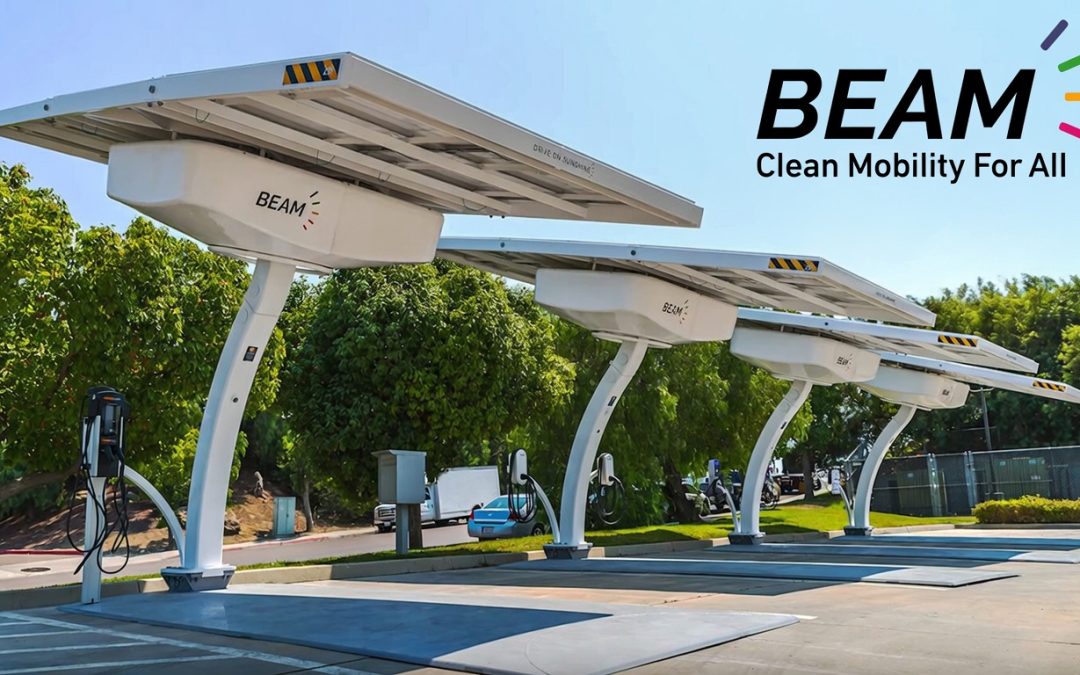
The hundred-year-old gas station model is being replaced. Drivers should no longer empty their tank and make a special trip, they should charge opportunistically, in places they already visit: shopping centres, parks, corporate car parks, schools. Charging should be like Wi-Fi. Available wherever you go.
That shift has a direct infrastructure implication. Highly distributed charging points, powered by electricity generated and stored on-site, remove the need for grid connections entirely. Fewer expensive fast-chargers replicating petrol stations. Far more accessible points embedded in daily life, cheaper to deploy, faster to install, and resilient by design.
Charging should be like Wi-Fi. Available wherever you go – not somewhere you go.
Cities have three roles. First, ensure regulations don’t block off-grid solutions, they should actively favor locally generated, stored renewable energy. Second, direct public funds toward infrastructure that genuinely improves the fuelling experience. Third, invest in educating drivers that this new model is not a compromise. It is a significant improvement.
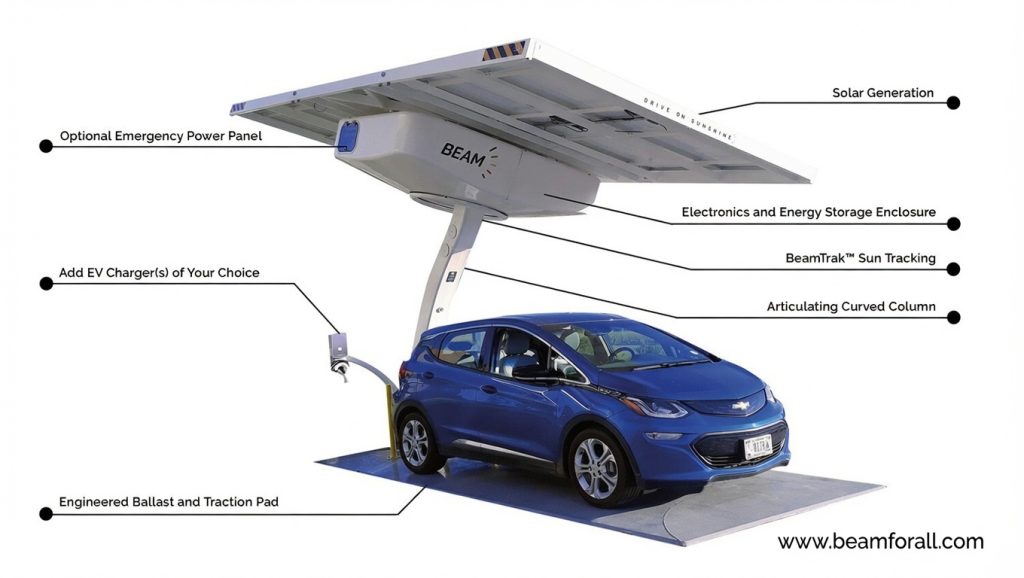
photo: BEAM Global
What are the most common barriers cities face and how can they move faster without adding complexity?
The grid was never designed for transportation fuel.
Decades of electrical capacity planning accounted for lighting, air conditioning, appliances, industrial load, never for replacing petrol and diesel at scale. So when a city tries to deploy EV charging, it immediately hits a wall: transformers, switchgear, substations. In some cases, entirely new transmission infrastructure.
The adoption of electric vehicles will outpace the grid’s ability to serve them. That gap will widen, not close. Cities that continue to treat grid-connected infrastructure as the only credible option are locking themselves into multi-year delays and significant capital exposure, for infrastructure that is also, by its nature, vulnerable. A single point of failure in a centralized system can take out a large section of the fuelling network.
Cities that wait for the grid to catch up will wait a long time. The technology to bypass that constraint already exists.
The economics are also frequently misread. Private enterprise has never had a profitable model for electricity in the way the oil industry did for petrol. Cities that assume the market will deliver EV charging at scale the way it delivered petrol stations are operating on a false analogy. This is infrastructure and it requires governments to treat it as such, with the same logic applied to roads, lighting, and public transit.
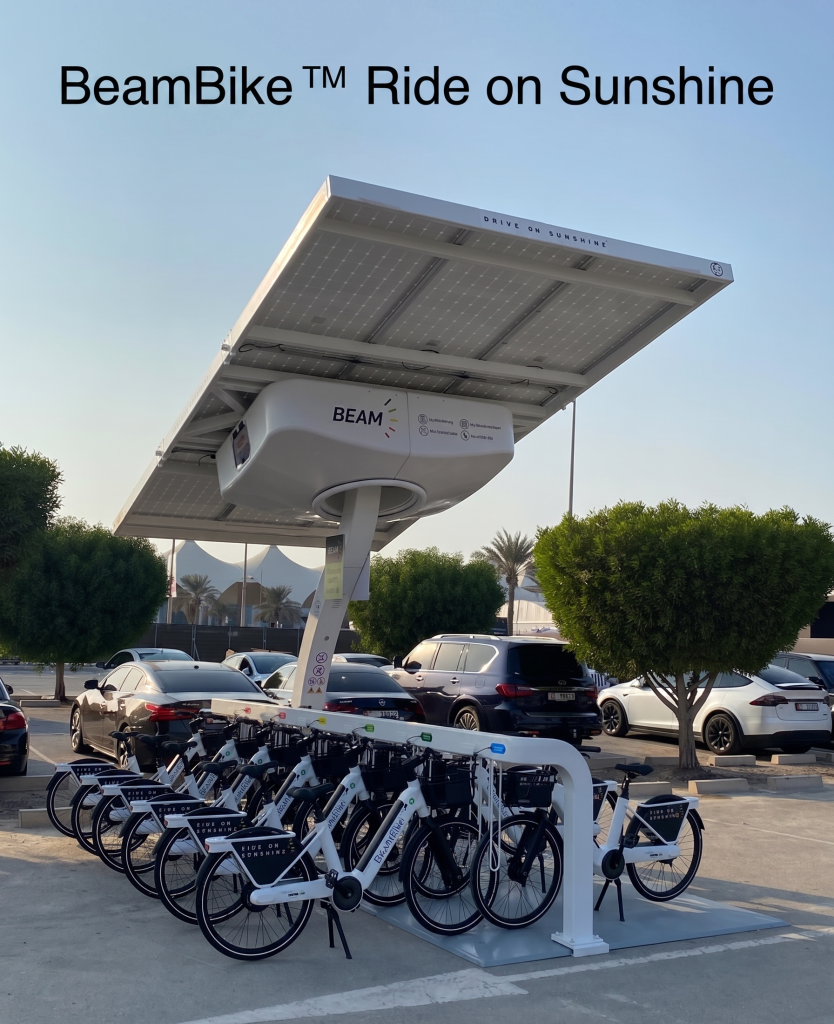
photo: BEAM Global
As energy volatility increases, infrastructure decisions are increasingly tied to resilience. How is the balance shifting between centralized systems and autonomous, decentralized approaches?
Energy resilience has moved from a preference to a strategic requirement. Centralized grid infrastructure fails at exactly the moment you need it most, during extreme weather, supply disruptions, regional outages. Emergency services and municipal fleets cannot rely on a system with that vulnerability profile.
The model that addresses this is layered: a grid-connected backbone, complemented by a distributed network of autonomous units that operate independently when the grid fails. Off-grid, solar-powered, battery-backed infrastructure does not go dark. It becomes a resilience asset and in many jurisdictions, it qualifies for disaster preparedness funding precisely because of that dual-use capability.
A solar-powered charging unit in a car park today is not a compromise, but a smarter choice than waiting years for a grid upgrade that may arrive too late.
The practical question for city leaders is direct: what proportion of your charging infrastructure can function if the grid fails tomorrow? For most cities, the honest answer is close to zero. That risk deserves immediate attention and the solutions to address it already exist.
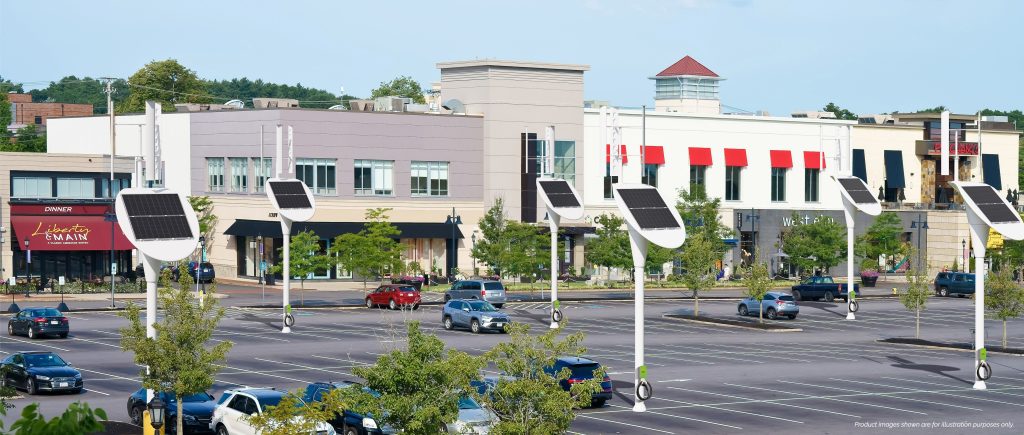
photo: BEAM Global
European cities operate within tighter spatial, regulatory, and heritage constraints than most. How do these conditions shape what infrastructure can actually be deployed?
Europe’s urban heritage is a genuine asset and a genuine constraint. You cannot dig up a UNESCO-listed cobblestone street to lay cable. You cannot install a bulky charging station in a protected historic square. These are not bureaucratic obstacles; they are legitimate conditions that reflect what European cities are and what makes them worth preserving.
Decentralized infrastructure resolves this. The EV ARC™ sits within a standard parking space. It is gravity-anchored, no bolting, no civil works, no ground disturbance. It requires zero connection to the grid, which means it bypasses the permitting complexity that comes with utility alignment, network operators, and planning approvals. It can be installed in hours. It can be moved.
European cities do not have to choose between their heritage and their climate ambitions. They need to look beyond the only solution they have always assumed existed.
This matters enormously in practice. A city that has been told for years that EV infrastructure is incompatible with its historic centre can deploy it this month without disturbing a single cobblestone. That is not a theoretical possibility. It is available now.
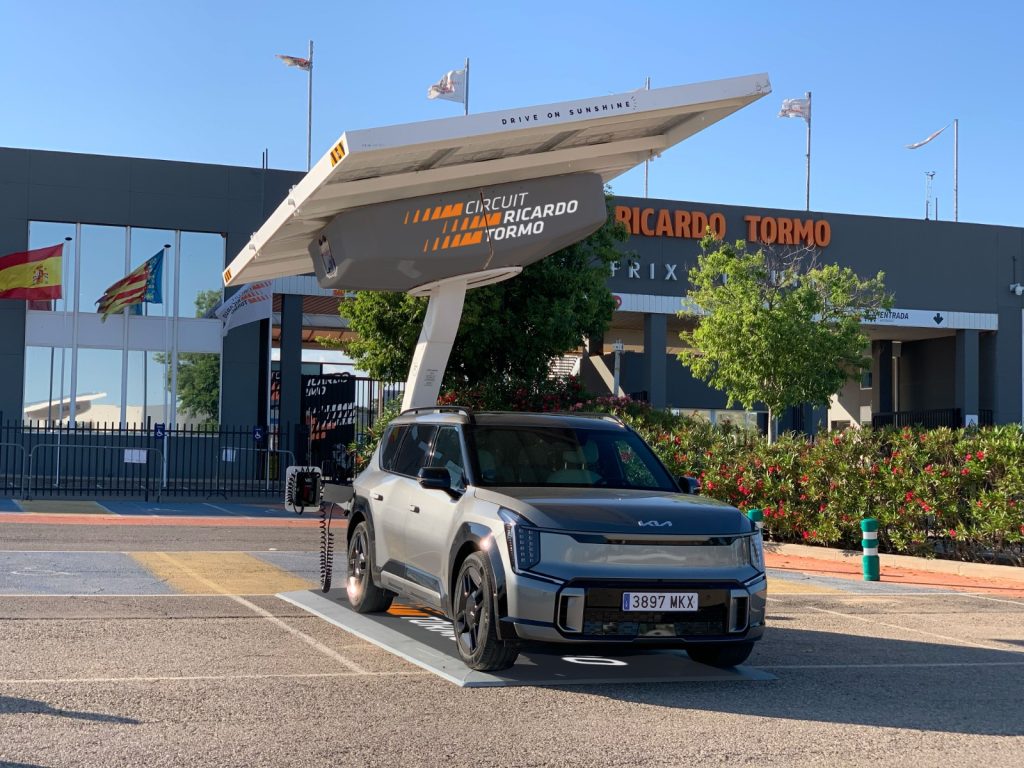
BEAM Global
Looking three to five years ahead, what infrastructure mindset will define the cities that move fastest?
Cities that move fastest will treat infrastructure as a living system, not a construction project. A construction project produces something fixed, slow and expensive to adapt. A living system is designed to scale, relocate, and evolve alongside changing technology and urban form. That distinction will matter enormously as transportation continues to transform at a pace we have not seen since the shift from the horse to the automobile.
Autonomous vehicles, two- and three-wheelers, eVTOLs, these are not distant scenarios. They require ubiquitous, decentralized, wireless charging infrastructure that a city can expand modularly rather than rebuild from scratch. The cities that positioned themselves early with modular, relocatable, renewable infrastructure will be the ones that absorb these transitions without crisis.
The leaders who close the implementation gap are those who separate speed of action from permanence of commitment. You do not have to build the final answer on day one, but you do have to start.
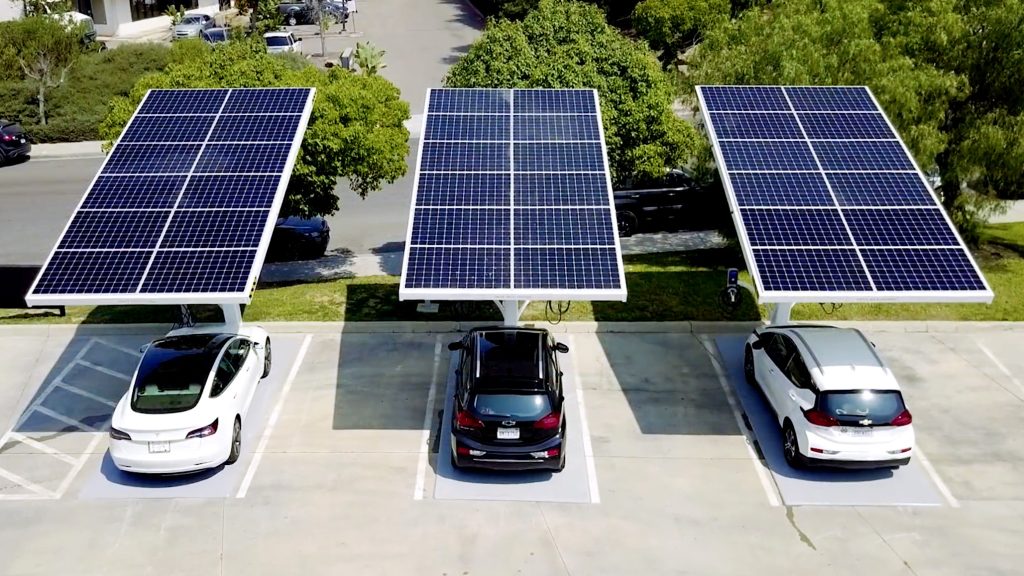
photo: BEAM Global
In practical terms, this means measuring Total Cost of Ownership, including grid upgrade costs, civil works, and permitting delays, rather than comparing unit costs in isolation. On that measure, renewable off-grid solutions consistently outperform conventional approaches. And because they are not constrained by grid capacity, they can be deployed where they are needed most, not just where upgrades happen to be easiest. That is what equitable electrification actually looks like.
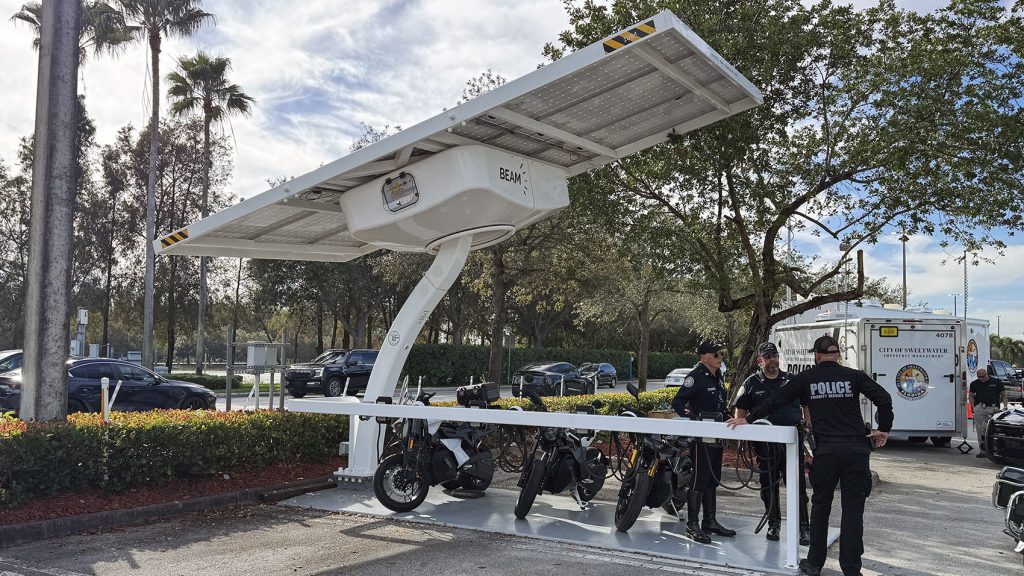
photo: BEAM Global
About BEAM Global
BEAM Global develops off-grid, solar-powered EV charging infrastructure. Its flagship product, the EV ARC™, is fully operational within hours of arrival, no grid connection, no civil engineering, no permitting delays. It has been deployed across the United States, Europe, and beyond, including by military, municipal, and emergency services operators. beamglobal.com