- en
Malmö welcomes the changes in national asylum seekers’ reception policy
The Swedish government has announced elimination of the reception system known as EBO which allowed asylum seekers to live with relatives and friends upon their arrival in the country. This approach is thought to have led to parallel and black housing markets, as well as overcrowding and increased segregation.
Minister of Integration and Migration Anders Ygeman announced yesterday the Scandinavian country would now slowly phase out this reception method in an effort to reduce segregation. Mayor of Malmö Katrin Stjernfeldt Jammeh welcomed the government’s new decision.
Mayor Stjernfeldt Jammeh stated on social media: “Finally. For many years, we have alerted and appealed to several governments to scrap today’s reception system that leads to overcrowding and social misery. Today’s message from Anders Ygeman and the government is very welcome”.
The EBO scheme was established in 1994 and was meant to provide a better chance for newcomers to integrate in Swedish society. However, the number of people that opted for this way of accommodation was far larger than the government anticipated, which caused new challenges and numerous negative consequences.
The government initially prohibited asylum seekers’ ability to reside in private accommodation in areas with socioeconomic issues as early as the beginning of 2020. In September last year, Sweden started exploring possibilities of implementing a new system which would oblige asylum seekers to live in reception centres when they first arrive in the country. The new directive which will regulate this matter is expected to be known in the upcoming period.
“Reception must be organised in a way that it creates good conditions for people to have reasonable living conditions and opportunities to make a living and succeed at school. Then we cannot have systems that create segregation. So thank you for removing that stone, which is causing so much distress to so many,” Mayor Stjernfeldt Jammeh further stated.
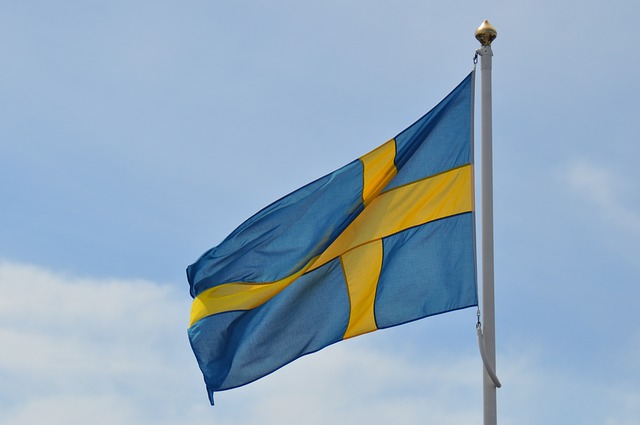
Sweden’s third largest city is known to be one of Scandinavia’s most multicultural places which features an outstanding diversity of nationalities, languages, cultures and religions. (Photo credit: Andy H/Pixabay)