- en
Genoa’s investments in a smart and resilient future
Green TransitionNewsTop stories
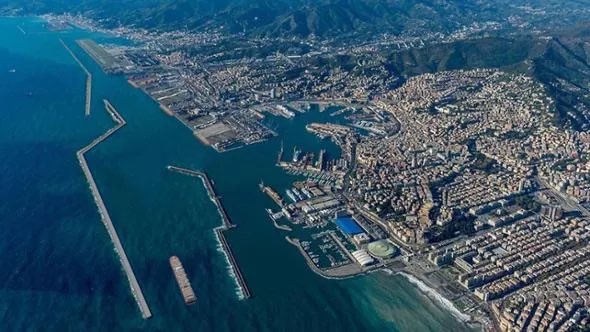
The city of Genoa, historically one of the most important ports in the Mediterranean, is currently the busiest one in Italy. With its importance both on national and regional level, the Old Town part of the city is included in UNESCO World Heritage List.
In order to support its growing economy and preserve historical heritage, the local administration started heavily investing in a new model of sustainable development. The initiatives taken are predominantly focused on investments in a smart, resilient future.
The City Council presented several important strategies over the years, main ones being Urban Masterplan, SUMP, SECAP and Lighthouse City Strategy. These plans will help the city promote urban and sustainable development, greenhouse gas emission reduction and as a final goal – transition to 100% circular economy.
First regulations for transition to the circular economy in Genoa have already started and include some basic internal improvements. The main one is Green requirements for goods, services and energy, which promoted a framework for establishment of further projects. The following strategies are enabling local administration to analyze, research and develop detailed plans of actions.
Now, the city of Genoa has renewed its industrial plan, called the Action Plan for Genoa 2050. This strategy presents a framework for environment sustainability, adaptation and mitigation of climate change and a better quality of life.
The strategy was started with analysis of territorial functions and needs, which led to the introduction of multi-level governance. This will be further supported by collaboration with other Italian and European cities, in order to establish a network for sustainable urban development. This strategy is also in line with current European and International agendas.
The research recognized the need for an integrated and systematic approach to functionality of connected areas.
The main focuses are raising awareness among residents of the city and enhancing proposed projects with international collaboration and partnerships. All of these actions will enable Lighthouse City Strategy to harmonize its projects with regional and international collaborators.
As part of the strategy, the key components were established. Those present crucial division of actions and their impact on the whole project. There are three types of assets included in this strategy: grey, green and soft.
The grey assets refer to infrastructure development and the rational use of the existing one. The green assets are focused on urban regeneration and climate change. This category will enhance the adaptation of economy to circular state, sustainable development, local urban agenda and Sustainable Energy and Climate Action Plan.
The soft assets will deal with social and economic impacts on society and business. As part of this category, analyses of vulnerability and research of cots/benefits have been conducted. This will help with the creation of resilience of community, integrated planning and welfare and related regulations.
The Lighthouse City Strategy will enable the city of Genoa to keep up with European Green Act and it might place Genoa as one of the regional leaders and promoters of transition to circular economy.