
- en
Smart-city infrastructure for Munich!
EnergeticsInfrastructureInvestmentsNewsSocial issues
Implementation of Munich’s smart-city infrastructure will reduce CO2 emissions by 34,000 tonnes per year.
Blockchain can be used to decentralize federated learning algorithms so that the benefits of collective machine learning are shared across the multiple owners of data. And, in Munich, it is helping commuters efficiently find a parking space.
Cambridge, UK-based artificial intelligence lab Fetch.ai is building a decentralized machine learning network for smart infrastructures.
In partnership with Munich, Germany-based enterprise blockchain solutions provider Datarella, has announced the implementation of its smart city infrastructure trials In Munich, Germany.
The smart city zoning trial in Munich, called M-Zone will launch in the Connex Buildings and will use multi-agent blockchain-based AI services to optimise parking resources in commercial real estate properties in the city center to reduce the city’s carbon footprint.
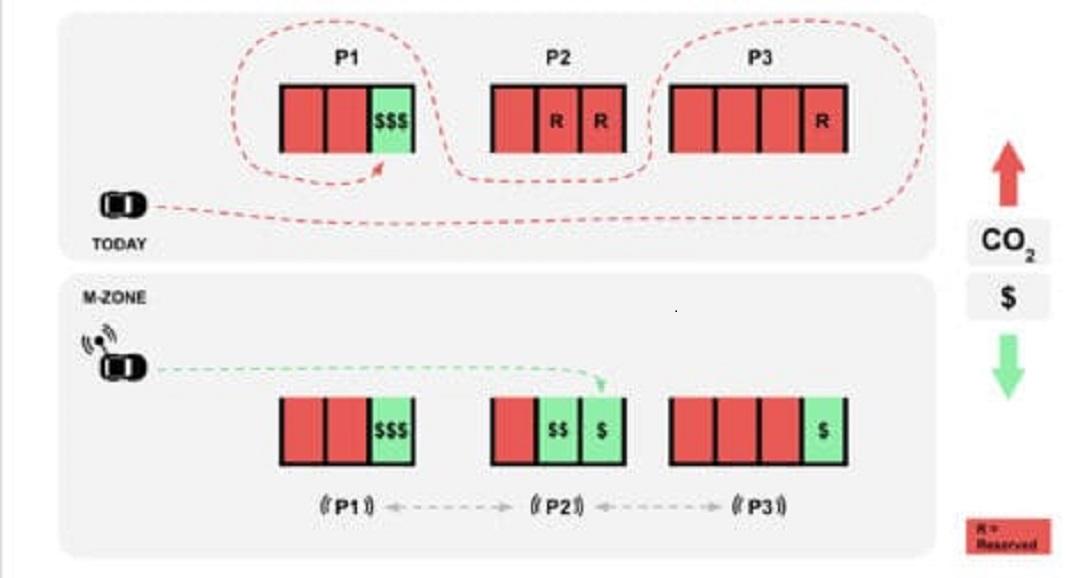
Photo: Datarella. Zdnet.com
In a smart city, rather than driving into a parking lot hoping to find a space, an autonomous agent within your car will search and communicate with nearby parking agents to find the nearest available space to your destination, book it for you before directing you to it.
When you come back to your car and drive off, your car agent checks out of the parking lot, calculates the payment and makes it for you, removing the hassle of parking tickets.
The Fetch.ai AEAs (Autonomous Economic Agents) will support the smart city infrastructure in Munich through an application where they will autonomously negotiate the ‘price’ of parking spaces between the holders of them, and those looking for a space.


