- en
WEF’s BiodiverCities by 2030: cities and nature to coexist in harmony by 2030
Green TransitionMain newsNewsTop stories
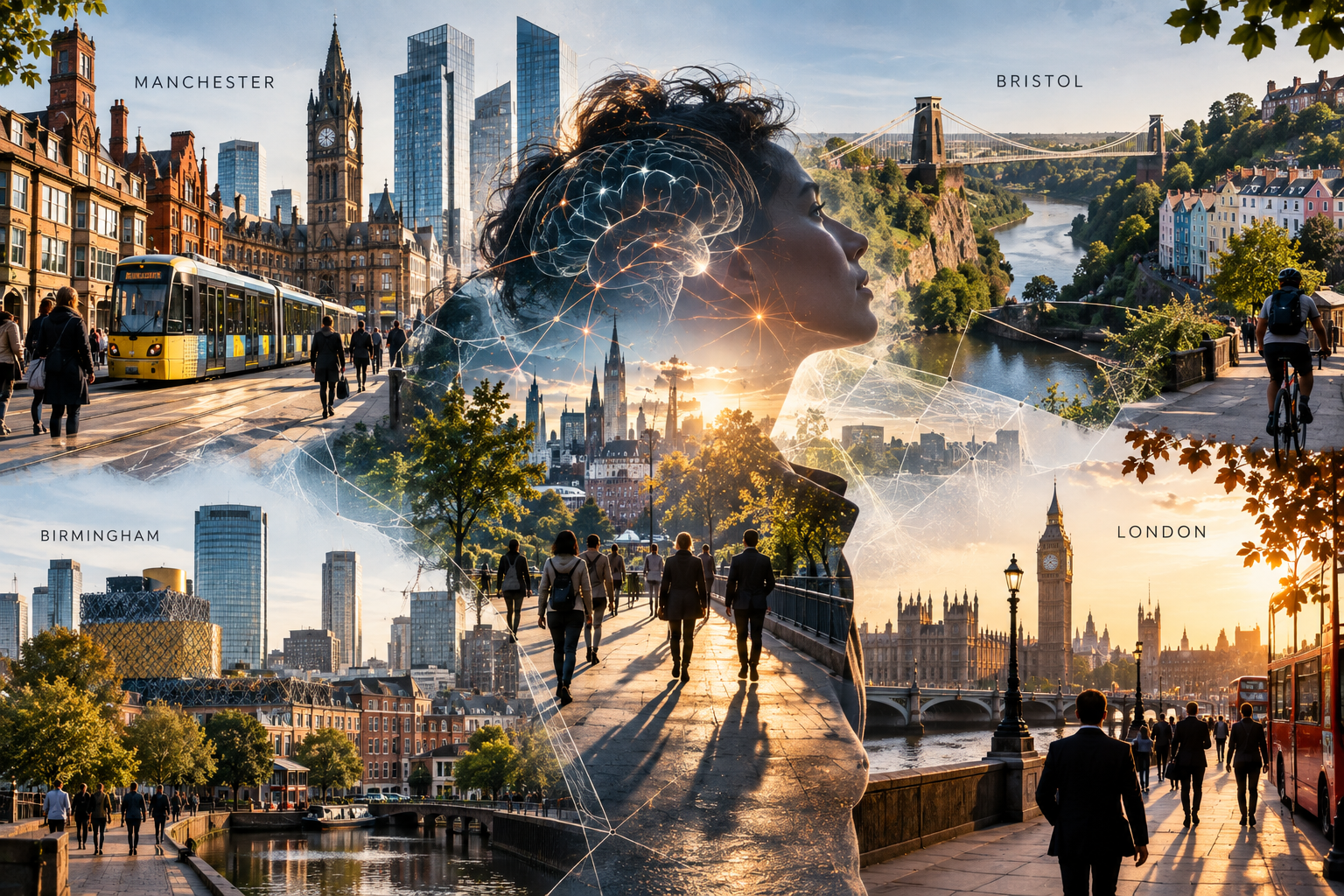
World Economic Forum (WEF) is a global platform for world leaders to shape global, regional and industry agendas. In collaboration with the Alexander von Humboldt Institute and Government of Colombia, the WEF’s BiodiverCities by 2030 Initiative published a report this January which addresses the urgency of cities’ untenable relationship with nature.
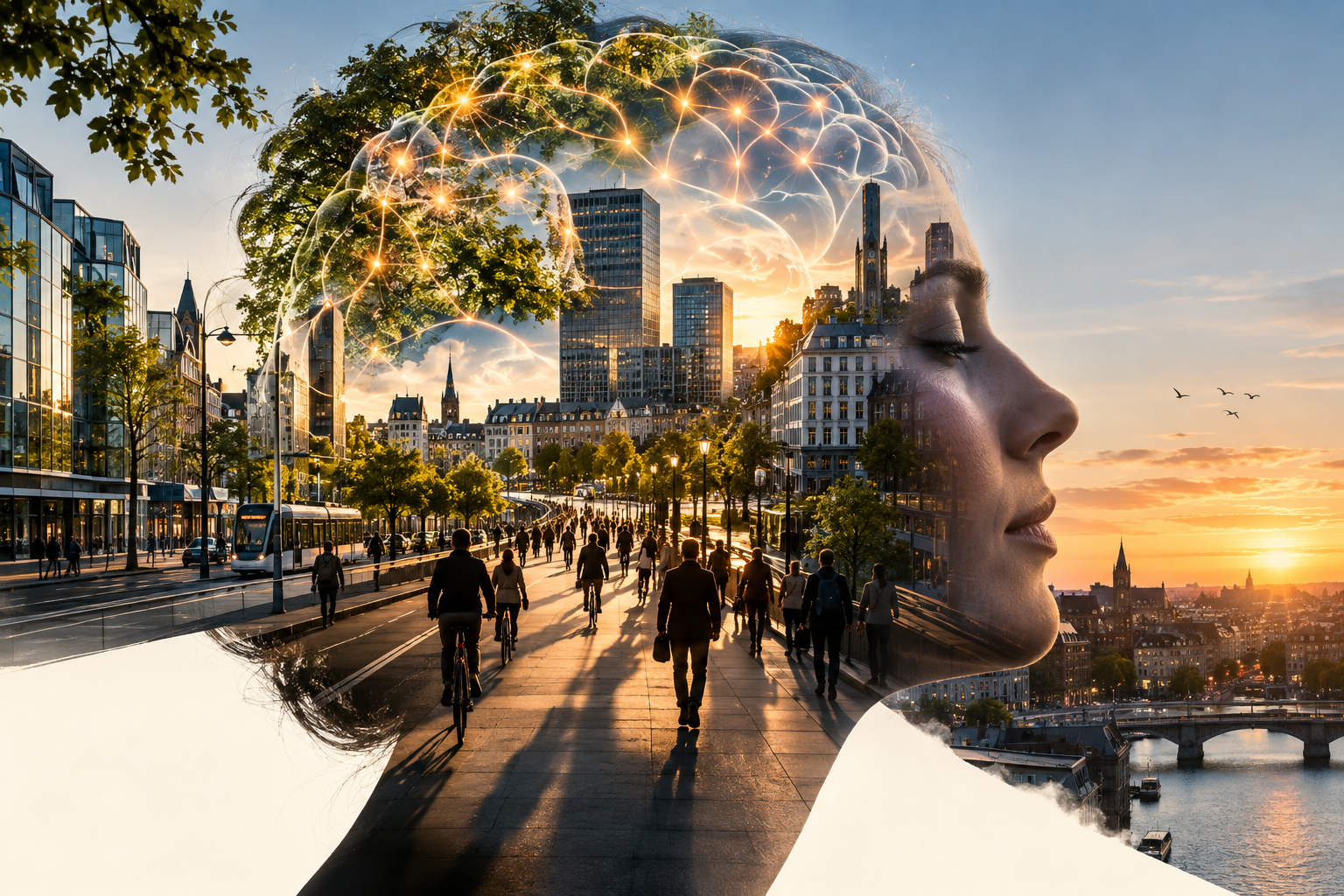
The Initiative’s goal is to reverse this existential global threat and move forward with a plan that will result in cities and nature coexisting in harmony by the end of the decade.
The report is a call for multi stakeholder action to integrate nature as infrastructure into the built environment. In making the economic case for BiodiverCities, Nature-based Solutions (NbS) for infrastructure and land-sparing are found to be cost-effective ways for cities to innovate and meet current challenges. Spending $583 billion on NbS for infrastructure and on interventions that release land to nature could create more than 59 million jobs by 2030, including 21 million livelihood-enhancing jobs dedicated to restoring and protecting natural ecosystems.
By curating a high-level commission of 30+ world-renowned experts and practitioners from the public and private sectors, academia and civil society, the BiodiverCities by 2030 initiative combines the latest research with practical solutions in the service of sustainable, inclusive and nature-positive urban development. The Global Commission on BiodiverCities by 2030 advises on the development of a shared concept and forward-looking perspective to integrate cities with nature.
The initiative uses artificial intelligence and crowdsourcing technologies through the Forum’s Strategic Intelligence and Uplink platforms, collecting up-to-date online content and building a community of innovators and entrepreneurs to address the world’s most pressing challenges on nature and cities.
Realizing the BiodiverCities by 2030 vision requires three shifts in urban development models, and the contribution of all parts of society. Put together, these shifts form a roadmap that urban leaders, working closely with public and private decision-makers, can follow to transform and unlock nature’s benefit.
Firstly, cities must embrace a ‘systems approach’ to urban governance that considers the needs of all stakeholders, accounts for the value of natural ecosystems, and moves away from legacy models in which decisions are driven by cost efficiencies and ad hoc urban planning. This shift requires ownership by top levels of government, strong coordination and leadership at city level, and policy that fosters innovation and holds the private sector accountable for its impact on nature.
Secondly, cities must reintegrate nature into their spatial planning decisions, and restore the ‘natural layer’ as the backbone of their development. This means preserving natural habitats within and around cities, renaturing degraded land (through, for example, community-based tree planting) and ‘growing smart’ by embedding nature in new or upgraded infrastructure, such as green corridors along high streets and green roofs on new buildings.
Thirdly, action is needed to make nature an attractive investment to financial markets and drive private funding into cities’ natural capital. This includes adopting standardized biodiversity data to inform investment decisions and creating new markets and models to de risk private investments in nature.
To conclude, WEF’s goal is for everyone to realize the potential of creating urban development model in harmony with nature and to reimagine cities. They explained why nature-related risks matter to business, which transitions are needed to move towards a nature-positive economy, and how business can be a part of the solution, paving the way to create new opportunities and generate sustainable value. (source and photo: weforum.org)